November 16, 2026
By Gisselle Martinez and Carmen Orantes
As you begin entering the professional world, you may receive plenty of advice on how to polish your resume, strengthen your cover letter, or perfect your elevator pitch. However, what people don't always prepare you for is navigating the different environments, tones, and language that come with a new job or internship. To explore this, we interviewed four UMD students & alumni about how they have adapted their communication styles in professional settings and the advice they would offer to students facing similar challenges.
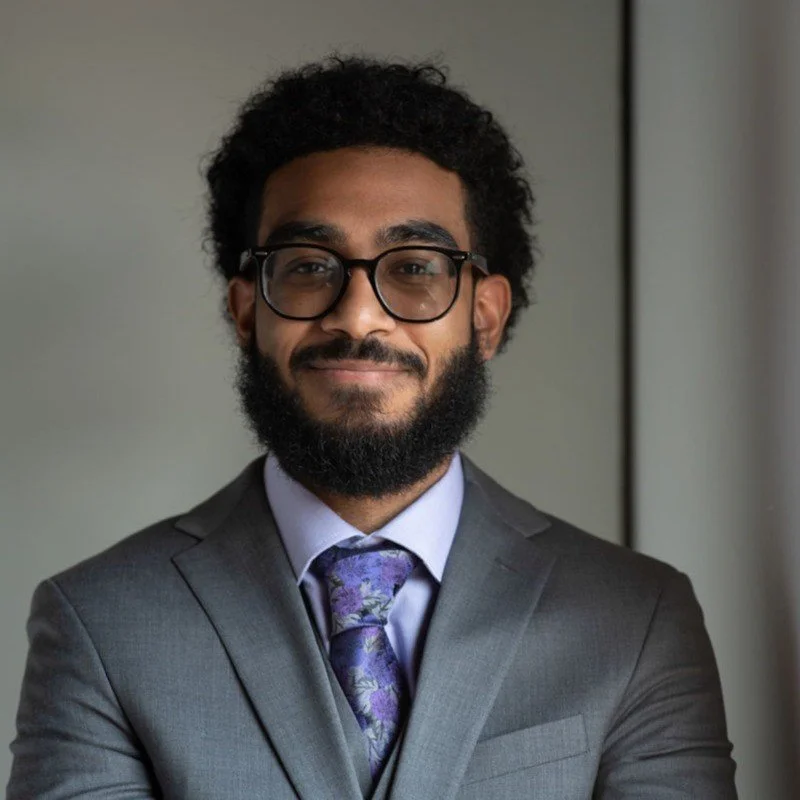
Siraj Khan
Computer Science Major
Tell me more about your background/ work experience.
I have a Bachelor's Degree in Computer Science and am currently in the Computer Science Master's Program. I have interned as a software engineer for a startup called Investica, where I built a web application that helped beginners learn about investing in the stock market. I also interned as a software engineer at a government contracting company called Epoch Concepts, where I built a project management app.
What is something about professional communication that you wish you had learned in college?
There are many soft skills that college doesn't explicitly teach you, the most important of which is knowing when to argue. Many times someone will be completely in the wrong, but there is a time and place to let them know, that time and place usually being never. The CS curriculum also neglects to require students to be able to speak intelligently about their work. In all of my class projects, solo or group, the work would always speak for itself. There were no presentations or reports we had to write that documented our ideas or methods. In a professional setting, whether an idea works or not is irrelevant if you can't articulate it, and I know many students that know the material but can't effectively communicate it.
Did you find yourself having to change your communication style when entering the professional world?
Yes. The way I speak with my peers is vastly different from the way I speak with coworkers. There is always an observation period where I try to speak as little as possible in group settings, just taking in how people interact with each other. I need to know if this is a setting where I can crack jokes, and if so what kind of jokes are appropriate to make. There is no one rule that works for every professional setting, since it really varies from company to company.
What advice would you give UMD students who want to become more confident communicators before entering the workforce?
Talk about what you're learning with people who are not in your field. It is very common to have to explain concepts to someone that has very little knowledge on the subject. Practicing this will get you used to speaking about the same thing in multiple ways so that your ideas can reach as many people as possible. It helps if whoever you're talking to asks questions, and if the questions aren't just about background knowledge, such as "What does this word mean?" Or "why are you in my house?", then you know you're doing a good job.
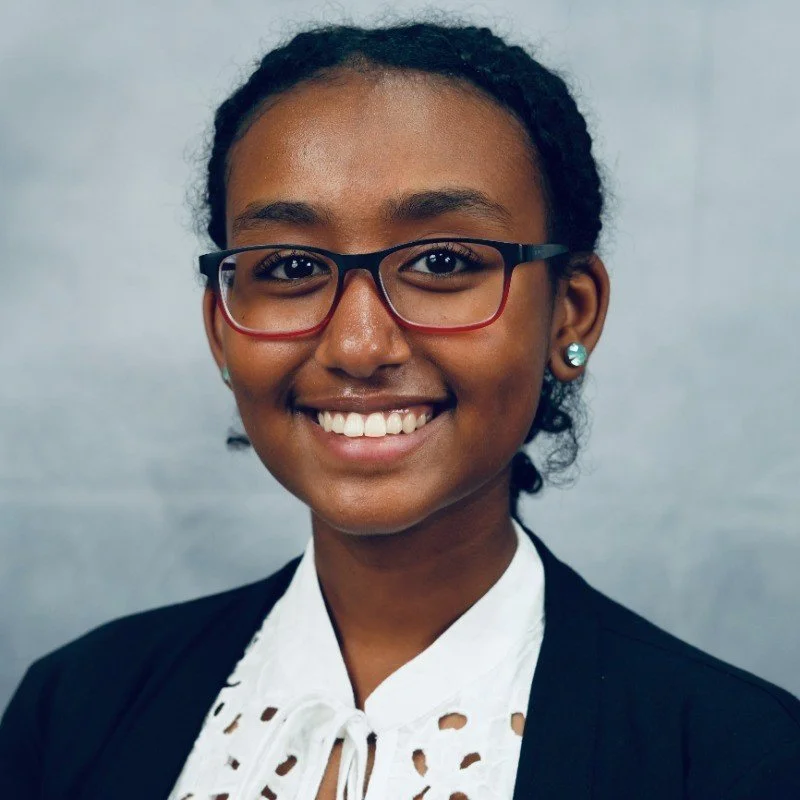
Emnet Haile
Communication Major
Tell me more about your background/ work experience.
I am a senior communication major who is on the PR track. While looking for work, I prioritized opportunities that were comms related. I was a Digital Communication intern at UMD’s College of Agriculture and Natural Resources. I was a PR intern with MARC Global Communication, and I’ve been working as a Strategic Communications Intern at Maryland Athletics for some time.
What is something about professional communication that you wish you had learned in college?
In college, I feel as though the communication department did a great job at teaching me how to speak with different types of organizations and people. I wish I had learned how to overcome the anxiety and fear that comes with speaking to new people and organizations though.
Did you find yourself having to change your communication style when entering the professional world?
Yes, I did feel myself change my communication style when entering the professional world. With my friends and family, I speak quite informally, but I understood that when entering the workforce, I needed to approach communication style differently. I wouldn’t speak to my boss the same way I would speak to my best friend, so tailoring my communication was necessary.
What advice would you give UMD students who want to become more confident communicators before entering the workforce?
I would tell students to research the companies they want to work for and study the communication techniques they value so that when they join those companies, they aren’t shocked by their communication styles. I would also tell students to believe in themselves because they earned their job for a reason!
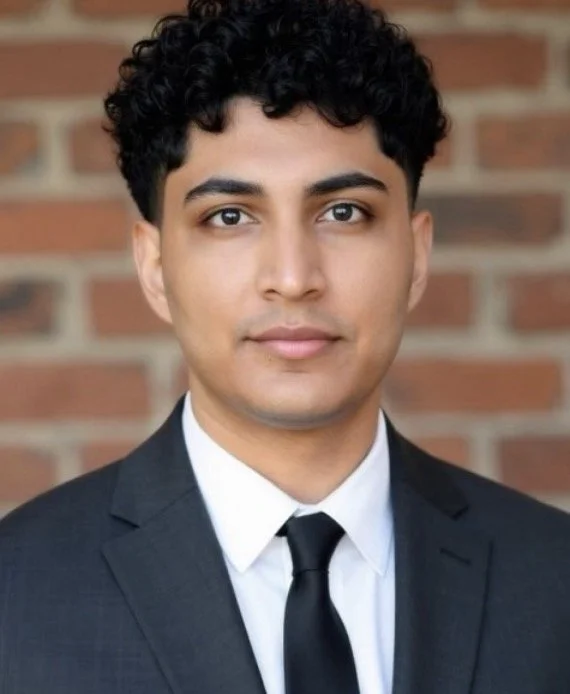
Mahad Khan
Information Systems & AI Major
Tell me more about your background/ work experience.
I had four summer internships, two “consulting” gigs, and a full-time job for a summer before my master’s.
What is something about professional communication that you wish you had learned in college?
To be honest, I was not taught professional communication. I didn’t have any classes on it or on how to conduct myself in interviews, the workplace, etc.
Did you find yourself having to change your communication style when entering the professional world?
Yes, I did have to change my communication style. It turns out there are a lot of confusing norms regarding communication in corporate settings.
What advice would you give UMD students who want to become more confident communicators before entering the workforce?
I’d practice all types of communication; it will all transfer over and turn you into a better speaker. For example, striking up a conversation with your Uber driver, a stranger, or a classmate. It’ll build confidence in speaking generally and then you just adjust your tone and the types of words you use when transitioning to professional speak.
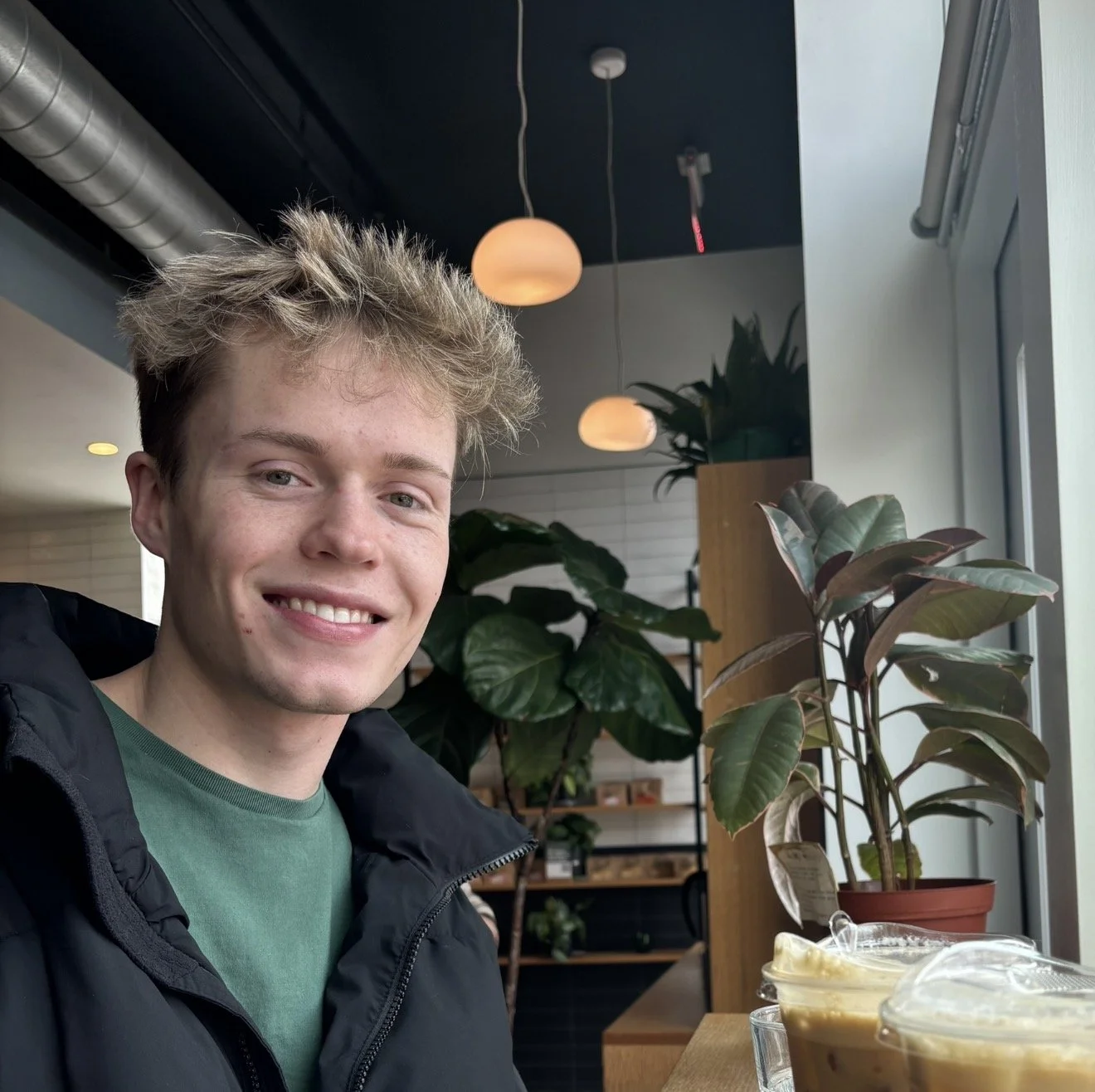
Shawn Bellinger
Economics Major
Tell me more about your background/ work experience.
While pursuing my bachelor's degree in Economics at UMD, I worked part-time in the coffee industry, first at Starbucks and later at Vigilante Coffee, throughout all four years. Additionally, the summer before my senior year, I interned with the U.S. Department of the Treasury in the Office of Capital Access. There, I monitored the performance and repayment status of CARES Act loan recipients, tracked indicators of default risk, and assisted in drafting formal recoupment notices to noncompliant borrowers.
What is something about professional communication that you wish you had learned in college?
UMD did a great job preparing me for public speaking, particularly through COMM107 and the numerous presentations required throughout my coursework. However, I think I would have benefited from more exposure to the nuances of professional communication, particularly navigating difficult conversations, negotiating, and communicating confidently in workplace settings. I would have found more interview prep beneficial.
Did you find yourself having to change your communication style when entering the professional world?
Yes. In college, communication is often structured around presentations, classroom discussions, and working with peers. In the professional world, I found that communication requires a greater emphasis on being concise, adapting to your audience, and understanding when to provide detail versus when to get straight to the point. I also learned the importance of being comfortable asking questions and communicating with people at different levels of an organization.
What advice would you give UMD students who want to become more confident communicators before entering the workforce?
Practice! Before any presentation, I rehearse until I can comfortably deliver my talking points without relying on the slides or reading from a script. I think the same principle applies to important professional conversations, whether that's an interview, salary negotiation, or difficult workplace discussion. Preparing beforehand helps build confidence, allows you to communicate more naturally, and makes it easier to think and be in the moment. I also think it is a great way to ease your nerves!